
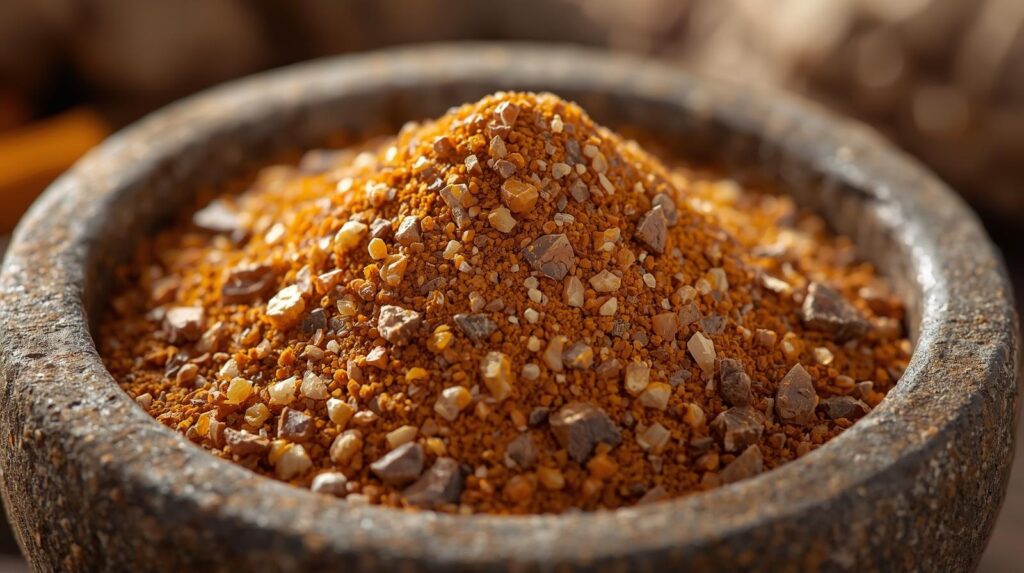
Asafoetida
Asafoetida, popularly known as Hing, is a treasured spice in Indian kitchens and Ayurvedic practices. Derived from the resin of the Ferula plant, hing carries a strong, pungent aroma that mellows into a rich and savory flavor when cooked. A pinch of this golden spice can transform an ordinary dish into a flavorful delight, while also offering numerous medicinal benefits.
Culinary Uses of Asafoetida
Tempering dals, curries, and pickles.
Adding depth to soups and stews.
Essential in satvik and Jain cuisine as a substitute for onion and garlic.
A staple ingredient in spice mixes like sambhar masala and chaat masala.
Health Benefits of Asafoetida
Supports Digestion – Reduces gas, bloating, and indigestion.
Anti-inflammatory – Relieves joint pain and inflammation.
Respiratory Health – Helps with cough, asthma, and bronchitis.
Antimicrobial Properties – Fights harmful bacteria and infections.
Women’s Wellness – May ease menstrual discomfort and regulate cycles.
How to Use Hing
Add a small pinch to hot oil or ghee before cooking vegetables or lentils.
Mix a pinch of hing in warm water to relieve indigestion.
Blend hing into spice powders and chutneys for enhanced flavor.
Recommended Dosage of Hing
Hing Churna (Powder): 1–2 pinches, twice daily.
Hing Capsules: 1–2 capsules, twice daily.
Hing Tablets: 1–2 tablets, twice daily.
Hing Oil: ¼–½ teaspoon per day, or as directed according to individual needs.
why choose Asafoetida
Asafoetida is more than just a spice—it is a powerhouse of flavor and wellness. From improving gut health to adding a rich aroma to everyday meals, hing has been a trusted kitchen ingredient for centuries.
Tip: Bring home the magic of Asafoetida (Hing) – a small pinch makes a big difference!
FAQs on Asafoetida (Hing)
Q1. What is asafoetida (hing) made from?
Asafoetida is made from the dried latex (resin) of the root of the Ferula plant, which is then processed into a fine powder or solid form.Q2. Is hing safe for daily use?
Yes, hing is safe when used in small quantities. However, excessive intake may cause nausea or headaches in sensitive individuals.Q3. Can hing replace onion and garlic?
Absolutely! Hing is widely used in satvik and Jain cooking as a natural substitute for onion and garlic, adding a similar depth of flavor.Q4. Does hing help in digestion?
Yes, hing is well known for its digestive properties. It reduces bloating, gas, and promotes a healthy gut.Q5. How should hing be stored?
Hing should be stored in an airtight container in a cool, dry place to preserve its aroma and potency.Q1. What is asafoetida (hing) made from?
Asafoetida is made from the dried latex (resin) of the root of the Ferula plant, which is then processed into a fine powder or solid form.Q2. Is hing safe for daily use?
Yes, hing is safe when used in small quantities. However, excessive intake may cause nausea or headaches in sensitive individuals.Q3. Can hing replace onion and garlic?
Absolutely! Hing is widely used in satvik and Jain cooking as a natural substitute for onion and garlic, adding a similar depth of flavor.Q4. Does hing help in digestion?
Yes, hing is well known for its digestive properties. It reduces bloating, gas, and promotes a healthy gut.Conclusion
Asafoetida (Hing) is more than just a culinary spice—it is a timeless remedy and flavor enhancer that has been valued for centuries. From aiding digestion to adding a distinctive taste to food, hing holds a special place in both Ayurveda and modern kitchens. With just a pinch, you can elevate your meals and support your overall well-being.
Tip: Asafoetida (Hing) – a little goes a long way in flavor and health